By Dr. Abdulrahim Ibrahim Abdulwahed
ASTANA — Kazakhstan has embarked on one of its most ambitious transport infrastructure initiatives in recent years, launching construction of three strategically significant highways that are expected to reshape regional connectivity, accelerate trade between Asia and Europe, and reinforce the country’s role as a leading Eurasian transit hub.
The infrastructure initiative comes as Kazakhstan also prepares to introduce its first mandatory environmental standards for the road sector. Scheduled to take effect on January 1, 2027, the new regulations will establish unified environmental requirements covering every stage of a road’s lifecycle—from planning and construction to maintenance, repair and operation—reflecting the country’s broader commitment to sustainable infrastructure development.
Three Huge Projects
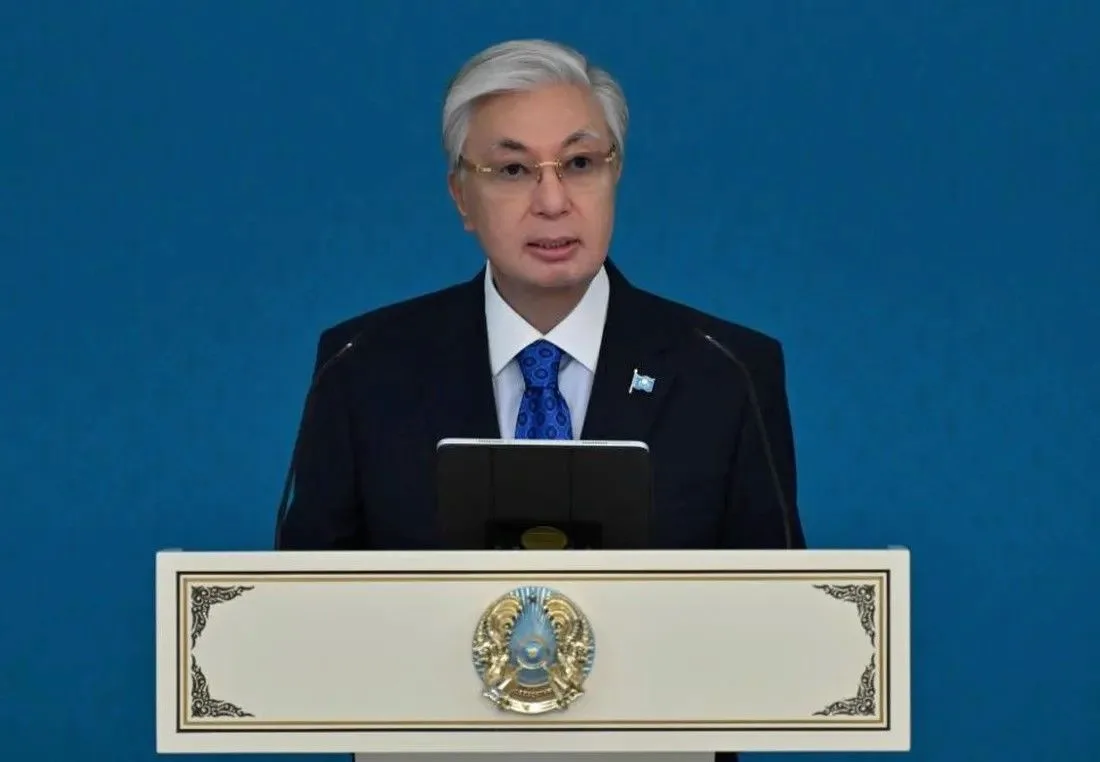
President Kassym-Jomart Tokayev officially launched the construction of the Kyzylorda–Saksaulsk, Ulgaysyn–Saksaulsk, and Beineu–Saksaulsk highways during a nationwide teleconference on Tuesday, describing the projects as a major milestone in Kazakhstan’s long-term economic modernization and logistics strategy.
Addressing government officials and regional leaders, Tokayev emphasized that transport and logistics have become one of the country’s strongest engines of economic growth, reflecting Kazakhstan’s unique geographical position at the crossroads of Europe and Asia.
“Roads are the arteries of life,” the President said, reaffirming that the development of modern transport infrastructure remains a national priority. He noted that Kazakhstan serves as the principal overland bridge linking East and West, making continued investment in roads, railways and border infrastructure essential to the country’s future prosperity.
The centerpiece of the new program is the 800-kilometre Beineu–Saksaulsk highway, which Tokayev described as a future international transport artery capable of transforming freight movement across the region. The route will establish a direct connection between border crossings with China and the Caspian Sea ports of Aktau and Kuryk, significantly improving access to the Trans-Caspian corridor.
Shorten Cargo Routes
According to the President, the new highway will shorten cargo routes between China and Europe by approximately 1,000 kilometres, reducing delivery times to as little as three days. He proposed naming the route the Aral–Caspian Highway, saying it would become not only an important domestic link but also a strategic corridor of national, regional and transcontinental significance.

Alongside the flagship project, Kazakhstan will begin expanding and reconstructing the Kyzylorda–Saksaulsk and Ulgaysyn–Saksaulsk highways, which together stretch 774 kilometres. Once completed, the three projects are expected to increase freight capacity by 2.5 times, reaching 13.2 million tonnes annually.
The construction program will rely primarily on domestic companies and specialists, a point Tokayev highlighted as evidence of Kazakhstan’s growing engineering and construction capabilities. The projects are expected to create more than 10,000 jobs, providing an additional boost to regional economies while supporting the government’s broader infrastructure agenda.
Wider National Strategy
The President said the new highways form part of a wider national strategy aimed at transforming Kazakhstan into one of Eurasia’s leading logistics centres. He stressed that the objective extends beyond building roads to creating an integrated transport ecosystem supported by digital technologies and stronger backing for domestic freight carriers.
Kazakhstan has already made significant progress in expanding its transport infrastructure. Tokayev noted that the second track of the Dostyk–Moyynty railway, commissioned last year, increased freight capacity fivefold, while the launch of the railway bypass around Almaty has substantially reduced cargo delivery times.
Construction is also continuing on the Moyynty–Kyzylzhar and Darbaza–Maktaaral railway lines, both scheduled for completion this year, while the Bakhty–Ayagoz railway is expected to be finished next year.
Recent transport figures underscore the sector’s growing importance to Kazakhstan’s economy. Total freight transportation increased by 6 percent last year to approximately 37 million tonnes, while road freight volumes have doubled over the past five years. Revenue generated by road freight transport reached 1.5 trillion tenge during the same period.
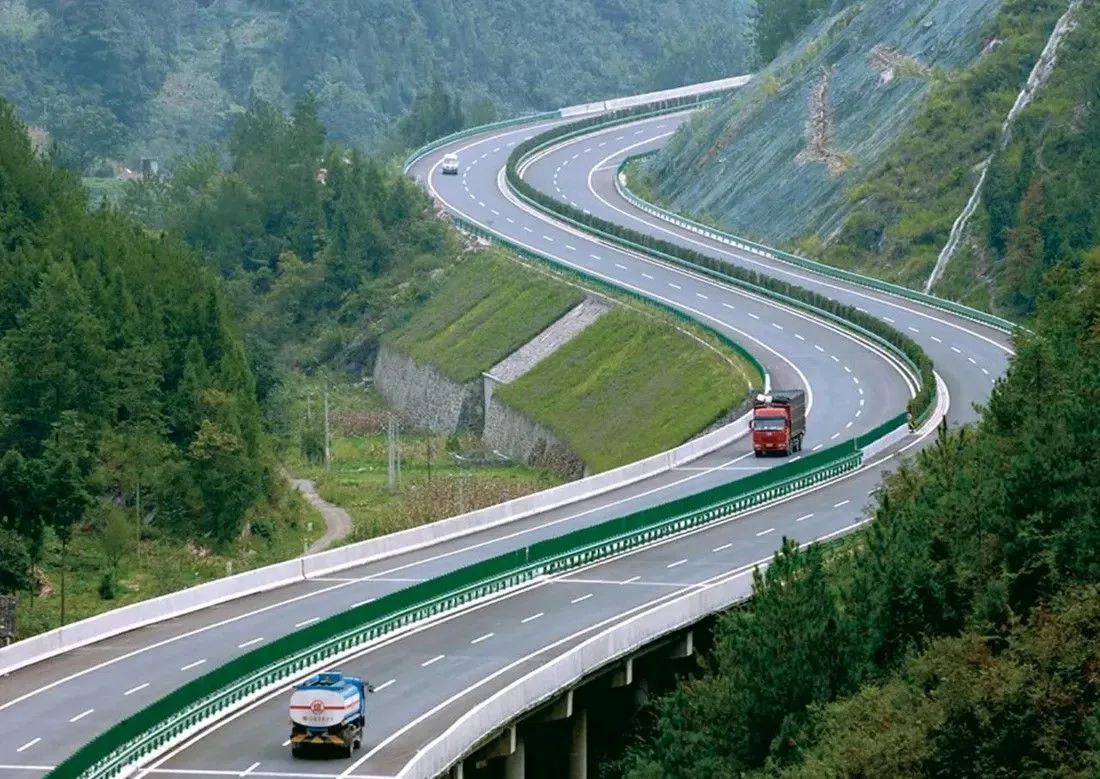
Today, eight international transport corridors pass through Kazakhstan, carrying roughly 35,000 vehicles every day. Last year alone, authorities built or rehabilitated 13,000 kilometres of roads, with 6,000 kilometres opened to traffic.
The modernization drive is set to continue. Tokayev announced that all road border checkpoints will undergo comprehensive reconstruction beginning in 2027, marking the country’s first nationwide modernization of border crossing infrastructure since independence.
Additional Projects Across Kazakhstan
Additional projects are already underway across Kazakhstan, including the Saryagash bypass road and the modernization of the Zhezkazgan–Karaganda highway, while investments continue in housing, healthcare, education, engineering networks and other public infrastructure.
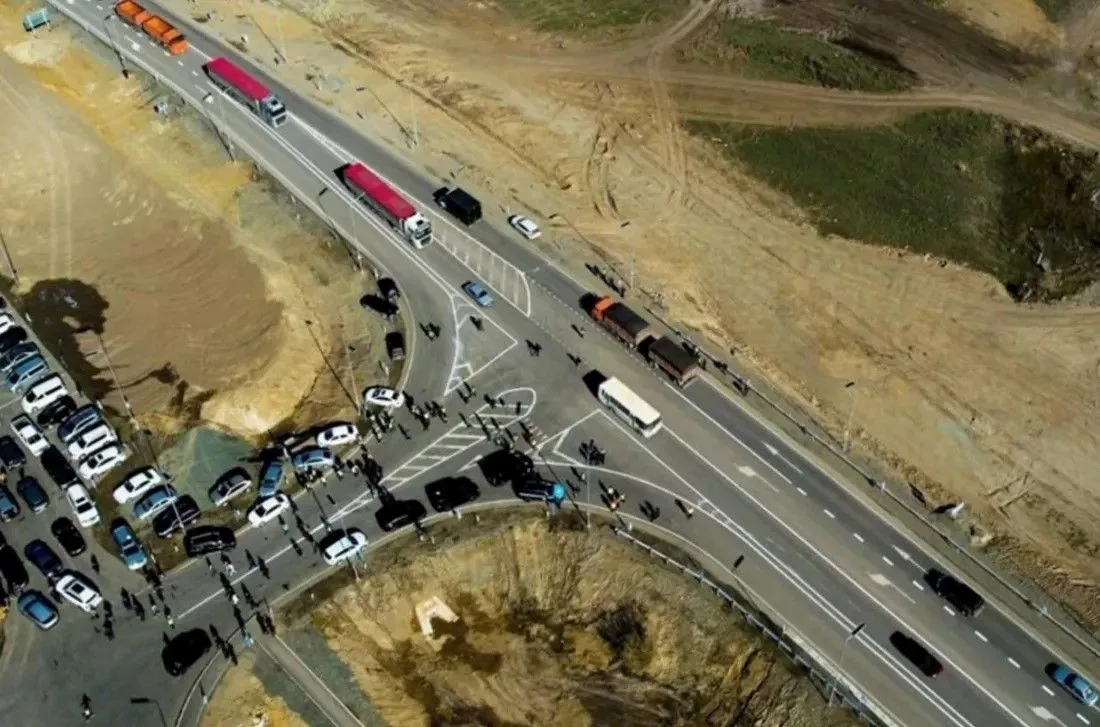
The President instructed that all highway projects launched this week be completed no later than 2029, expressing confidence that they would significantly strengthen Kazakhstan’s economic competitiveness, expand tourism opportunities and improve living standards across the country.
With its latest investments in highways, railways and logistics infrastructure, Kazakhstan is accelerating its ambition to become one of Eurasia’s most important transport gateways, strengthening trade links between China, Central Asia, the Caspian region and Europe while laying the foundations for long-term economic growth.


Discover more from Dubai Hospitality News
Subscribe to get the latest posts sent to your email.